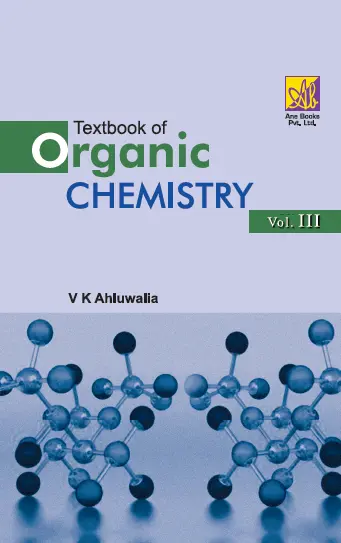
Organic chemistry becomes more complex as students move beyond foundational reactions and start exploring deeper mechanisms, synthesis strategies, and functional group transformations. One book that many students and educators turn to during this stage is Textbook of Organic Chemistry, Vol III by V K Ahluwalia.
This volume is widely appreciated for its structured explanations, reaction mechanisms, and problem-solving approach that helps learners build clarity in advanced organic chemistry topics. In this article, I’ll walk through what this book covers, why it remains relevant for students, and how it can support deeper understanding of organic chemistry concepts.
Introduction to Textbook of Organic Chemistry, Vol III
Textbook of Organic Chemistry, Vol III by V K Ahluwalia is part of a multi-volume academic series designed to help undergraduate and postgraduate chemistry students understand complex organic reactions and concepts.
The book focuses on higher-level organic chemistry topics that go beyond introductory material. It emphasizes reaction mechanisms, synthetic pathways, and conceptual clarity. Because of this approach, it is commonly used in university courses, competitive exam preparation, and self-study.
Unlike many dense academic textbooks, this volume attempts to explain reactions step-by-step, helping students understand not only what happens in a reaction but also why it happens.
About the Author: V K Ahluwalia
V K Ahluwalia is a respected author in the field of chemistry education. Over the years, his textbooks have been widely used by students preparing for undergraduate chemistry programs and advanced competitive examinations.
His writing style focuses on simplifying difficult chemical mechanisms without losing scientific accuracy. This balance between clarity and academic depth is one reason his books remain popular among chemistry students.
Key Topics Covered in the Book
One of the strengths of Textbook of Organic Chemistry, Vol III is its well-organized coverage of advanced organic chemistry topics.
Reaction Mechanisms
Understanding reaction mechanisms is essential for mastering organic chemistry. This book explains how electrons move during reactions and how intermediate species form. Students can learn how to predict reaction outcomes rather than memorizing them.
Functional Group Transformations
Another important focus is the transformation of functional groups. The book explains how different functional groups behave and how they can be converted into other compounds through controlled chemical reactions.
Synthetic Strategies
Synthetic chemistry is the art of building complex molecules from simpler ones. The book introduces students to strategies used in organic synthesis and explains the logic behind multi-step reactions.
Spectroscopic Insights
Many organic chemistry problems involve identifying molecules using spectroscopic techniques. The book includes explanations and examples that help students interpret such data.
Why This Book Is Valuable for Students
Many organic chemistry students struggle because the subject requires conceptual thinking rather than simple memorization. Textbook of Organic Chemistry, Vol III by V K Ahluwalia addresses this challenge by focusing on understanding.
1. Clear Explanations
Concepts are explained in a structured way, making difficult topics easier to grasp.
2. Reaction Mechanism Focus
The book emphasizes electron flow and intermediate formation, which helps students understand the logic behind reactions.
3. Helpful Examples
Worked examples illustrate how theoretical concepts apply to real chemical reactions.
4. Practice Problems
Exercises allow students to test their understanding and strengthen problem-solving skills.
How Students Can Use This Book Effectively
Reading a chemistry textbook passively rarely leads to deep understanding. Here are practical ways to use this book more effectively.
Study Reaction Mechanisms Actively
Instead of memorizing reactions, try drawing mechanisms step by step. This improves retention and conceptual clarity.
Solve End-of-Chapter Problems
Practice questions help identify areas that need improvement.
Connect Concepts Across Chapters
Organic chemistry topics often relate to each other. Reviewing previous chapters while studying new ones helps build stronger understanding.
Combine With Lecture Notes
Using the book alongside class notes or laboratory work can reinforce learning.
Who Should Read This Book?
Textbook of Organic Chemistry, Vol III is particularly useful for:
-
Undergraduate chemistry students
-
Postgraduate students studying organic chemistry
-
Students preparing for competitive exams in chemistry
-
Self-learners interested in advanced organic chemistry
The book’s structured explanations make it accessible even to students who previously struggled with reaction mechanisms.
Benefits of Learning Organic Chemistry from Structured Textbooks
Studying from well-organized textbooks like this one offers several advantages.
Strong Conceptual Foundation
A clear understanding of reaction mechanisms builds confidence in solving new problems.
Improved Analytical Thinking
Organic chemistry develops logical reasoning and pattern recognition.
Preparation for Advanced Research
Students planning careers in pharmaceuticals, chemical research, or biotechnology benefit from strong organic chemistry fundamentals.
Long-Term Knowledge Retention
Concept-based learning improves memory compared to rote memorization.
Accessing Chemistry Learning Resources
Students today have access to many formats for academic learning, including digital platforms. Some learners prefer digital reading options because they provide convenient access to academic materials from different devices.
Platforms like Netbookflix provide access to educational resources and reading materials that help students explore academic topics in a flexible way.
FAQs About Textbook of Organic Chemistry, Vol III by V K Ahluwalia
1. What is Textbook of Organic Chemistry, Vol III by V K Ahluwalia about?
It focuses on advanced organic chemistry topics including reaction mechanisms, functional group transformations, and synthetic strategies used in modern chemistry.
2. Who should study this book?
The book is ideal for undergraduate and postgraduate chemistry students who want to strengthen their understanding of organic chemistry concepts.
3. Is this book suitable for beginners?
It is better suited for students who already have basic knowledge of organic chemistry and want to study advanced topics.
4. Does the book explain reaction mechanisms?
Yes. One of the major strengths of Textbook of Organic Chemistry, Vol III by V K Ahluwalia is its clear explanation of reaction mechanisms.
5. Can this book help in competitive exams?
Many students use it as a reference while preparing for chemistry-related competitive examinations.
6. Does the book include practice problems?
Yes. It provides exercises and examples that help students practice organic chemistry concepts.
7. What makes this book different from other organic chemistry textbooks?
Its structured approach and step-by-step explanations make complex reactions easier to understand.
8. Is this book useful for research students?
While it is primarily designed for academic study, it can also help research students strengthen their fundamental understanding of organic chemistry.
9. How should students study organic chemistry effectively?
Students should focus on understanding reaction mechanisms, solving practice problems, and reviewing concepts regularly.
10. Why is organic chemistry considered difficult?
Organic chemistry involves understanding molecular structures, reaction mechanisms, and synthesis pathways, which require conceptual thinking rather than simple memorization.
Conclusion
Textbook of Organic Chemistry, Vol III by V K Ahluwalia remains a valuable academic resource for students exploring advanced organic chemistry. Its focus on reaction mechanisms, structured explanations, and practical examples helps learners move beyond memorization and develop deeper conceptual understanding.
For students pursuing chemistry education, mastering these concepts is essential. With consistent study, problem-solving practice, and the guidance provided by well-written textbooks like this one, organic chemistry becomes far more approachable and rewarding.





Leave a Reply